
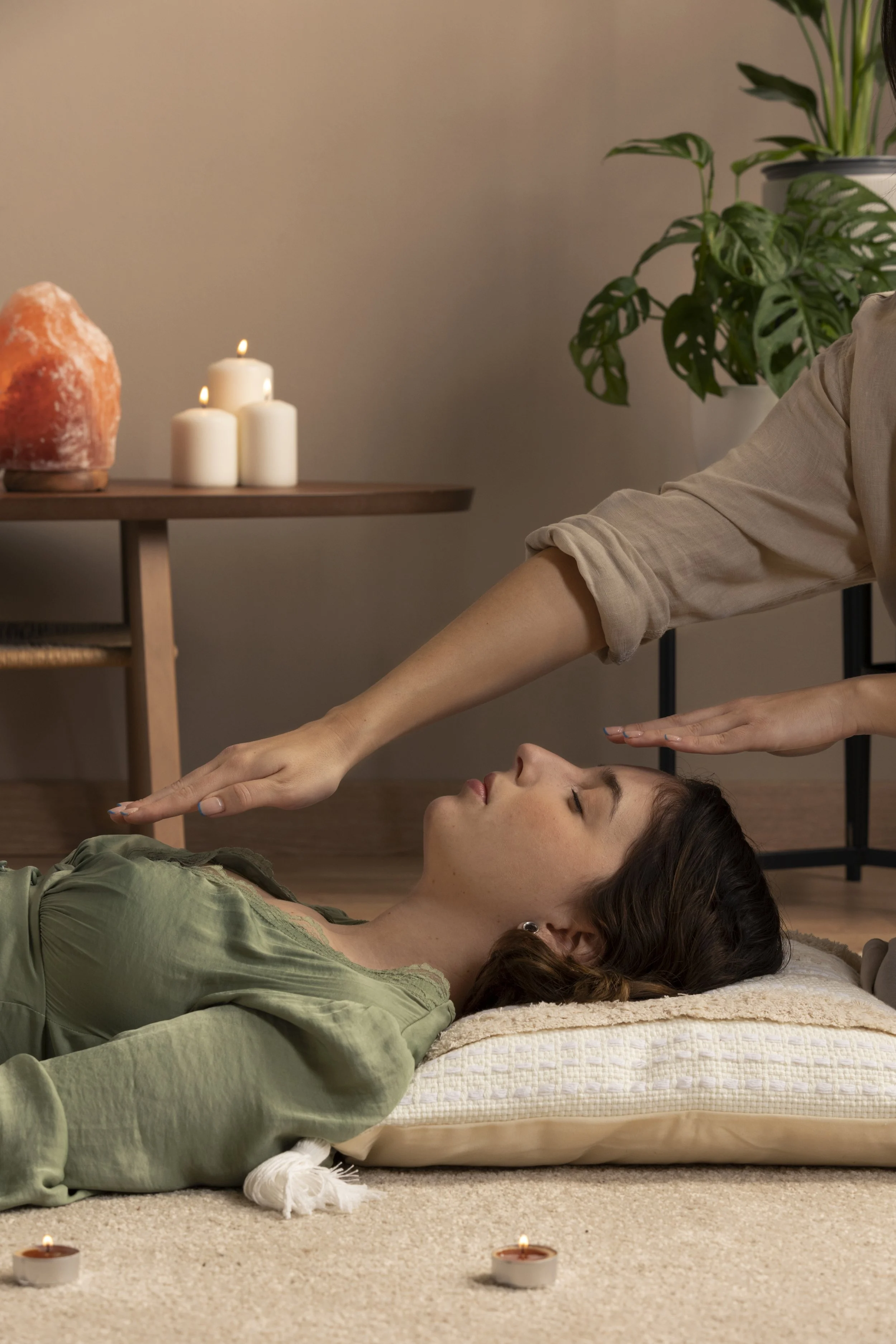
Supporting Healing and Resilience
Trauma can affect individuals in many ways—physically, emotionally, mentally, and spiritually. People who have experienced trauma often seek a range of supportive resources to help restore balance, safety, and resilience.
Alongside counseling, medical care, and community support services, some individuals explore complementary healing practices that support relaxation, body awareness, and emotional grounding.
The Oregon Healing Arts Network (OHAN) recognizes that healing arts practices may offer supportive tools that help individuals reconnect with a sense of calm, safety, and self-awareness.
Healing arts services are not a substitute for licensed mental health care or medical treatment, but they may serve as complementary approaches that support wellbeing alongside professional care.
Healing Arts and Trauma Support
Understanding Trauma-Informed Support
Trauma-informed approaches emphasize creating environments that prioritize:
emotional safety
personal autonomy
respect for individual boundaries
empowerment and choice
compassionate, nonjudgmental support
Many healing arts practitioners intentionally incorporate trauma-informed principles into their work, helping clients move at a pace that feels safe and supportive.
Important Note
Healing arts services are complementary wellness practices and are not intended to diagnose, treat, or cure mental health conditions. Individuals experiencing trauma are encouraged to seek support from licensed mental health professionals and healthcare providers when appropriate.
Complementary Support Within a Broader Care System
Many people benefit from a combination of supports when healing from trauma, including:
licensed therapy or counseling
medical care
peer support groups
community-based services
complementary wellness practices
Healing arts practitioners can sometimes contribute to a supportive environment that encourages relaxation, self-awareness, and personal empowerment alongside these services.
Supporting Compassionate Healing Communities
Healing from trauma often involves rebuilding connection, trust, and a sense of safety.
By encouraging ethical practice, education, and collaboration, the Oregon Healing Arts Network seeks to support conversations about holistic wellbeing and compassionate
approaches to healing.
How Healing Arts May Support Trauma Recovery
Complementary healing practices may support trauma recovery by helping individuals:
Calm the nervous system
Practices that encourage relaxation and breath awareness may help reduce stress responses and support nervous system regulation.
Reconnect with the body
Trauma can sometimes lead people to feel disconnected from their bodies. Somatic and mindfulness-based practices may help restore a sense of awareness and presence.
Cultivate emotional resilience
Reflective and mindfulness-based practices may support emotional regulation and self-compassion.
Create space for personal healing
Healing arts practices often emphasize self-awareness, inner reflection, and gentle exploration of personal wellbeing.
Examples of Complementary Healing Practices
Individuals exploring trauma support sometimes engage with practices such as:
meditation and mindfulness
Reiki and hypnotherapy
somatic awareness practices
breathwork
energy-based relaxation practices
sound and vibrational healing
creative and expressive healing arts
spiritual reflection practices
Different individuals resonate with different approaches, and healing journeys are unique to each person.