
Healing Arts for Veterans
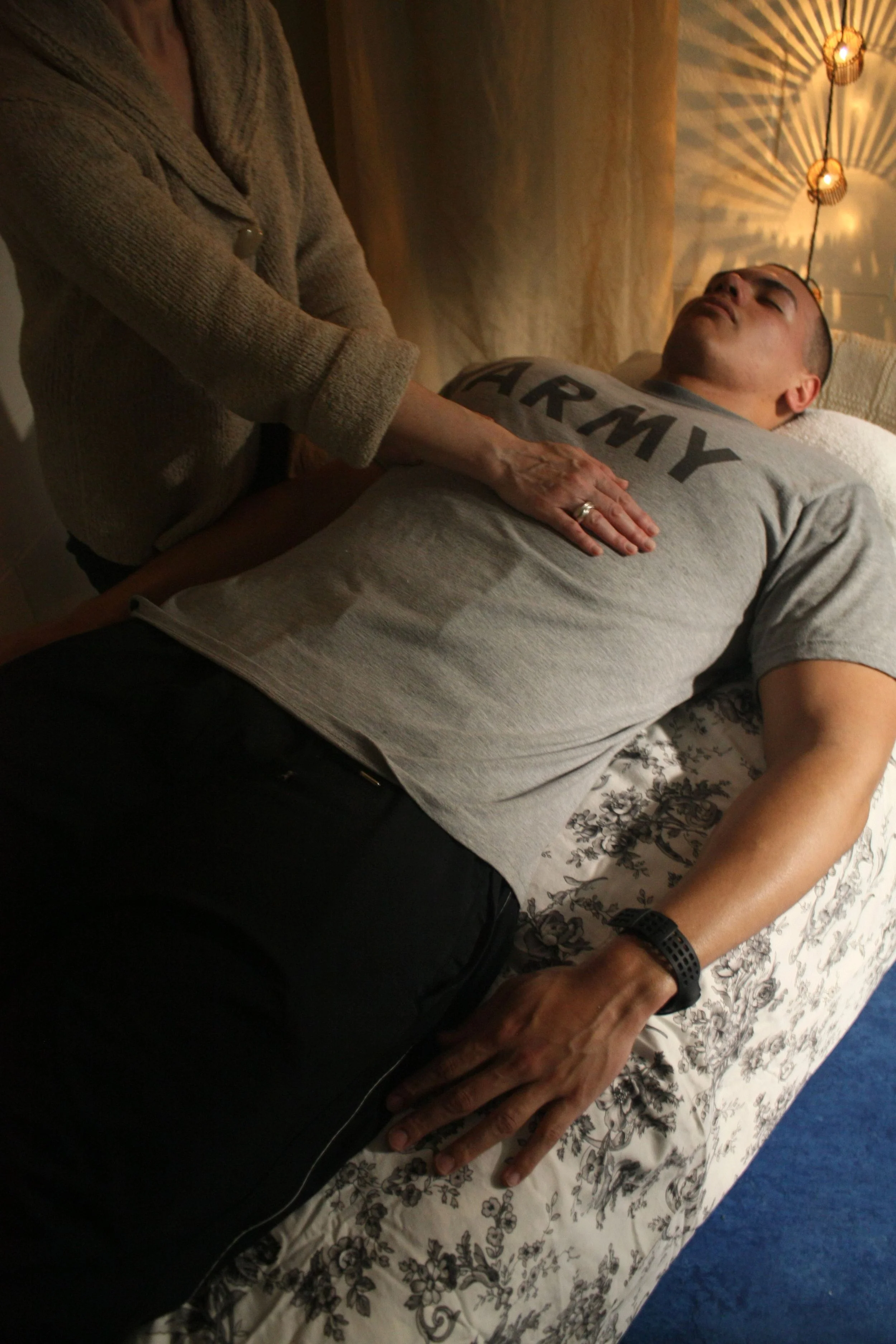
Supporting Whole-Person Health and Well-Being
Veterans often face a wide range of physical, emotional, and mental health challenges after their service. While care through the U.S. Department of Veterans Affairs provides essential support, many veterans also explore additional ways to improve their overall well-being.
Healing arts offer gentle, supportive approaches that focus on the connection between the mind, body, and nervous system. These practices can be used alongside traditional medical care to help veterans feel more balanced, relaxed, and supported.
How Healing Arts Can Help Veterans
Many veterans experience challenges such as:
Post-Traumatic Stress Disorder (PTSD)
Chronic pain or physical tension
Anxiety or depression
Difficulty sleeping
Stress and nervous system overload
Healing arts practices are often used to help:
Reduce stress and promote relaxation
Improve sleep quality
Ease physical discomfort
Support emotional well-being
Increase body awareness and resilience
Working Alongside Your Care Team
If you are receiving care through the U.S. Department of Veterans Affairs or another provider, healing arts can be used as a complementary approach.
You may choose to:
Let your healthcare provider know what services you’re exploring
Work with practitioners who are open to collaboration
Integrate multiple types of support in a way that feels right for you
Trauma-Informed Approach
Healing arts services for veterans should always be offered in a way that is safe, respectful, and centered on your comfort and choice.
Many veterans have experienced situations that can affect how the body and nervous system respond to touch, stress, or unfamiliar environments. A trauma-informed approach recognizes this and prioritizes your sense of control at all times.
What you can expect from a trauma-informed practitioner:
Clear communication about what the session involves before it begins
Your consent first — nothing happens without your permission
The ability to pause or stop at any time, no questions asked
Respect for personal boundaries, including physical touch and space
Options and flexibility, so you can choose what feels right for you
A non-judgmental environment where your experiences are respected
You are always in control of your healing process.
It’s okay to:
Ask questions before or during a session
Say no to anything that doesn’t feel right
Take breaks or stop entirely
Try different approaches until you find what works for you
Healing is not about pushing through discomfort—it’s about creating a sense of safety and support.
A Complement to Traditional Care
Healing arts practitioners can play a supportive role when working respectfully alongside established VA programs and healthcare providers.
Healing arts are not a replacement for medical or mental health treatment. Instead, they are often used as a complementary approach, meaning they can be used alongside care from doctors, therapists, or VA providers.
Many veterans find that combining different types of support helps them feel more in control of their health and recovery.
Important Note
Healing arts include a wide range of practices. Some are supported by a growing body of scientific research, while others are based on traditional, cultural, or experiential knowledge. Veterans are encouraged to explore what feels appropriate and supportive for their individual needs.
Common Types of Healing Arts
There are many different approaches, and each person may find something different that works best for them.
Meditation & Mindfulness
Simple practices that help calm the mind, improve focus, and reduce anxiety.
Breathwork
Guided breathing techniques that support the nervous system and help regulate stress responses.
Reiki & Energy-Based Practices
Light-touch or non-touch approaches that aim to support relaxation, emotional balance, and overall well-being.
Hypnosis (Clinical Hypnotherapy)
A guided process that helps individuals access a deeply relaxed state, often used to support behavior change, stress reduction, and processing of difficult experiences.
Past Life Regression
A specialized form of guided hypnosis where individuals explore past experiences or symbolic narratives. Some people find this helpful for personal insight, emotional release, or meaning-making.